
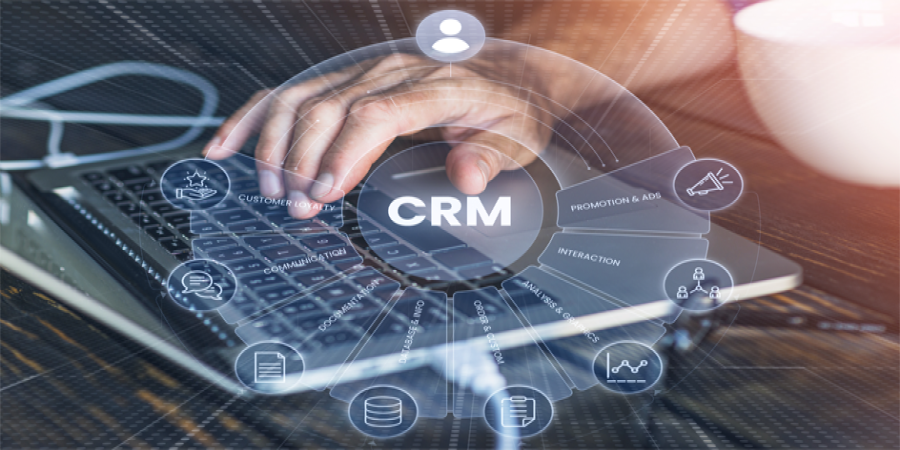
🔹 What is CRM? CRM (Customer Relationship Management) is a strategy and a technology platform used by organizations to manage interactions with prospective customers (leads), current customers, past customers
🔹 What is CRM?
CRM (Customer Relationship Management) is a strategy
and a technology platform used by organizations to manage interactions
with:
- Prospective
customers (leads)
- Current
customers
- Past
customers
CRM’s purpose is to strengthen customer relationships,
boost customer retention, and ultimately drive business growth.
CRM platforms consolidate:
- Customer
contact information
- Communication
history (emails, calls, meetings)
- Transactions
and purchases
- Customer
service interactions
- Marketing
engagement
🔹 Types of CRM Systems
There are three main types of CRM systems, each
focusing on a different function:
1. Operational CRM
Focus: Automation of sales, marketing, and service
processes
- Lead
generation and tracking
- Sales
pipeline automation
- Email
marketing campaigns
- Customer
support ticket systems
2. Analytical CRM
Focus: Analyzing customer data to make better decisions
- Customer
segmentation
- Purchase
behavior analysis
- Campaign
performance tracking
- Sales
forecasting
3. Collaborative CRM
Focus: Interdepartmental communication
- Share
customer data between sales, marketing, and support
- Align
communication to provide consistent service
🔹 Core Features of a CRM
|
Feature |
What It Does |
|
Contact Management |
Stores detailed profiles of all contacts and customers |
|
Lead Management |
Captures and qualifies sales opportunities |
|
Sales Pipeline Tracking |
Shows where each prospect is in the sales process |
|
Email Integration |
Logs emails sent to and received from customers |
|
Task & Activity Mgmt. |
Schedules meetings, calls, follow-ups |
|
Marketing Automation |
Sends bulk or behavior-triggered emails and messages |
|
Customer Support Tools |
Ticketing system, live chat integration, FAQs |
|
Reporting & Dashboards |
Visualize KPIs like revenue, lead conversion, churn rate |
|
Mobile Access |
Allows your team to access CRM on-the-go |
🔹 How CRM Helps
Businesses: In-Depth
1. 🔄 360° View of the
Customer
With all interactions and history in one place,
everyone—sales, marketing, and support—can provide a personalized and
consistent experience.
Example:
If a support agent knows that the customer has recently
purchased a premium product, they can prioritize or tailor their support
accordingly.
2. 🚀 Boost Sales Efficiency
CRM helps sales teams focus on the most promising leads and
close deals faster.
Example:
Automated reminders ensure follow-ups don’t fall through the
cracks. Sales reps can see which prospects are hot based on engagement like
email opens or website visits.
3. 💡 Smarter Decision-Making
CRM systems offer real-time dashboards and analytics.
Example:
A sales manager can see which team member is performing
best, or which products are trending, and adjust the strategy accordingly.
4. 🤝 Improved Customer
Retention
CRM enables proactive support and personalized
communication, which reduces customer churn.
Example:
If a customer hasn't engaged in a while, the system can
prompt a follow-up email or offer.
5. 📢 More Effective
Marketing
With segmentation and data insights, marketing teams can
create targeted campaigns.
Example:
Customers who bought Product A can automatically receive a
special offer for Product B.
6. 📱 Remote Accessibility
& Collaboration
Cloud-based CRM allows access from anywhere. This is
critical for:
- Field
sales reps
- Remote
support teams
- International
companies
🔹 Real-Life Example: How
CRM Helps a Business
Let’s say you run a travel agency.
Without CRM:
- Leads
come from your website, but you forget to follow up.
- You
don’t remember the last trip a client booked.
- Your
emails are all over the place.
- A
client contacts you twice and speaks to two different agents with no
context.
With CRM:
- A new
lead gets an automated welcome email and a follow-up reminder.
- You
can view each customer’s travel history and preferences.
- Your
marketing team sends destination-specific promotions based on interest.
- Customer
support knows who they're talking to and offers tailored service.
Result: Happier customers, more repeat business, and more
organized internal operations.
🔹 Who Needs a CRM?
✅ Small businesses — to
organize contacts and grow efficiently
✅
Medium-sized businesses — to streamline operations and track performance
✅
Large enterprises — to manage thousands of clients and support
collaboration across departments
✅
Nonprofits, law firms, schools, real estate, and healthcare — to manage
stakeholders, cases, or patients
✅ Final Thoughts
CRM is not just a tool, it’s a customer-first
business philosophy backed by smart technology. It enables businesses to:
- Understand
customers better
- Build
trust
- Grow
sustainably


0 Comments on “What Is CRM and How Can It Help Your Business Grow?”